
The Handbag That Stays with You: How to Choose a Piece That Ages Beautifully Over Time
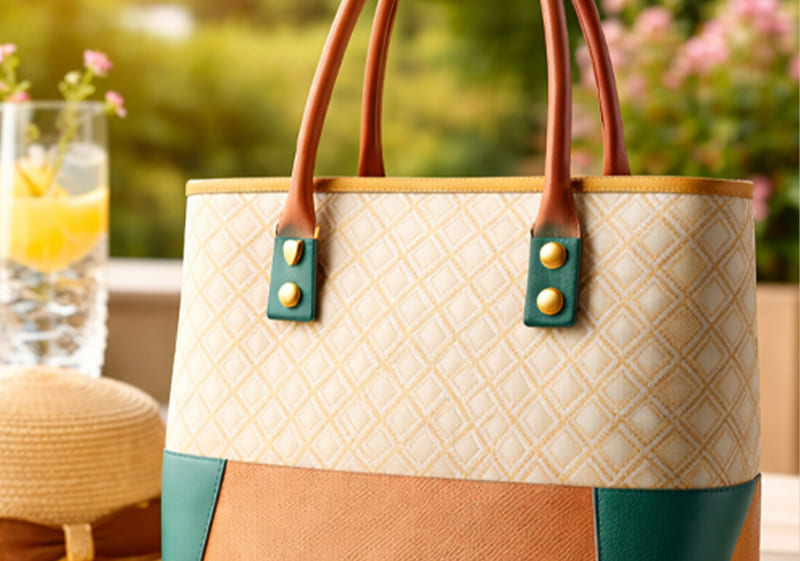
Your handbag is your daily companion; it’s not just not an accessory. It carries all your essentials, whether you’re at work meetings or casual outings, and quietly reflects your personal style as well. However, not all handbags are built to last.
There are handbags that lose their charm within months, while others develop character and become more appealing with time. Materials, craftsmanship, and design choices, everything informs your handbag choice.
The guide here outlines ways in which you can pick a handbag, which not only lasts, but also evolves beautifully.
Why “Aging Well” Matters in a Handbag
A handbag’s performance after prolonged use indicates whether it has aged well or not. For a handbag to be ageing well, it must maintain its structure, develop a rich patina, and continue to complement your style, even after prolonged use.
You don’t need to replace handbags frequently, instead choose one that matures well. This supports a more thoughtful and sustainable approach to shopping. Moreover, it is also something that modern customers are increasingly embracing as well.
1. Start With the Right Material
Material forms the foundation of any long-lasting handbag. Arguably, material forms the crucial factor that helps in determining, how your bag will age.
Full-Grain Leather
The highest quality of leather by far, full-grain leather retains the natural grain an develops a unique patina over time. With age it doesn’t wear out, instead, it becomes more attractive.
Vegan Leather Alternatives
Quality varies widely in modern options, even though they’re quite durable. You must opt for high-grade materials. Such materials are generally designed for longevity and not short-term appeal.
Canvas and Fabric
If tightly woven, canvas and fabric age well. Moreover, they must be appropriately preserved. However, such materials show wear more visibly than leather.
You must avoid overly synthetic materials, as they tend to crack, peel, or fade quickly.
2. Pay Attention to Craftsmanship
If you pick a well-crafted handbag, it has the power of standing the test of time. Materials of the highest quality fail, if the craftsmanship is poor. You must look for the following things:
- Even stitching: Tight, consistent stitches indicate durability.
- Reinforced handles and corners: These are high-stress areas that need extra support.
- Quality lining: A sturdy interior prevents tearing and sagging.
- Secure hardware: Zippers, clasps, and rings should feel solid and function smoothly.
Handbags that are crafted with more attention to detail will not let you down. They’re less likely to fall apart and more likely to maintain their shape and function.
3. Choose Timeless Over Trendy
Timeless designs ensure that your handbag stays relevant, even after years of use. Unlike trends that come and go, timelessness stays. You should opt for the following:
- Neutral colors like black, tan, beige, or deep brown
- Classic silhouettes such as totes, satchels, or structured crossbody bags
- Minimal embellishments that won’t feel outdated quickly
Bold designs can be a fun thing, but such handbags don’t age well stylistically. On the other hand, if you own a classic bag, it can effortlessly adapt to each changing trend.
4. Consider Structure and Shape Retention
Does your handbag have the same shape even after repeated use? Such handbags look more polished and are better.
Structured Bags
Structured handbags age gracefully, as they hold their form better. Such handbags resist sagging and keep a neat appearance as well.
Slouchy Bags
Slouchy handbags are typically stylish, but they tend to lose their shape over time. You will see even greater damage, if you don’t store your bags properly.
In case you like softer designs, make sure that your handbag has reinforced bases or internal compartments. This helps in maintaining the structure of your handbag.
5. Evaluate Hardware Quality
In both function and appearance, hardware has a critical role to play. High-quality handbags have high-quality hardware, which helps in the following:
- Resists tarnishing and discoloration
- Feels weighty and secure
- Operates smoothly without sticking
You will notice quick signs of wear in case the hardware of your handbag is cheap. With such hardware, even a good-quality handbag looks aged in the wrong way.
6. Think About Practicality and Usage
You must select your handbag to suit your lifestyle. Such handbags age better, as they’re used in the correct manner. Always ask yourself:
- Will this bag handle my daily essentials without strain?
- Is it comfortable to carry for extended periods?
- Does it have enough compartments for organization?
Premature wear and tear is caused, if you’re overloading a bag or using it in all the wrong ways, which it wasn’t designed for.
7. Choose Colors That Mature Gracefully
How your handbag ages, largely depends on the color of your handbag.
Darker Shades
Darker shades like black, navy, and deep brown hides stains and wear marks better.
Earth Tones
You will see that a rich, attractive patina develops in tan, camel, and olive-colored handbags, over time.
Lighter Shades
Handbags that have lighter shades may look elegant, but they show dirt and discoloration more easily.
Will you prefer longevity? Shades that can handle daily use without losing their appeal even a bit can be beneficial.
8. Maintenance Matters More Than You Think
Without proper maintenance, even high-quality handbags don’t age well. You can develop simple habits, which can make a big difference:
- Store your bag in a dust bag when not in use
- Avoid overexposure to sunlight and moisture
- Clean it regularly using appropriate products
- Stuff it lightly to maintain shape during storage
If you want your handbag to retain its beauty and functionality for years, make sure you’re ensuring consistent maintenance. This can help in attaining better outcomes.
9. Avoid Over-Branding
Logos and branding help in adding character to your handbag, but overly exclusive handbags fail to age well stylistically.
You can get a longer lifespan, with handbags that come with subtle branding and logo-free designs. Such handbags also pair easily with different outfits, while remaining versatile as trends evolve.
10. Purchase Versatile Handbags
If your handbag works across different occasions, you’re bound to use it more. A well-made handbag will age alongside your lifestyle. You must look for the following:
- Adjustable straps for different carrying styles
- Designs that transition from day to evening
- Neutral aesthetics that matches various outfits
Versatility ensures your handbag remains a staple rather than a short-lived purchase.
11. Understand the Aging Process
All signs of ageing are not flaws; some are desirable ones. Some examples include:
- Leather softening over time
- Slight darkening or patina development
- Minor creases that add character
You must understand what natural ageing looks like. This will help you appreciate your handbag, and you won’t end up replacing it prematurely.
12. Quality Over Quantity
While purchasing multiple inexpensive handbags may be tempting, you might be missing out on long-term value. A single, well-made handbag tends to deliver greater value than multiple inexpensive pieces, in the long run.
With a thoughtfully chosen handbag, you get the following:
- Lasts longer
- Maintains its appearance
- Reduces the need for frequent replacements
Moreover, with such an approach, you’re making things more intentional and sustainable as well.
Final Thoughts
You are not chasing excellence, when you’re choosing a handbag that ages well. Instead, you’re making informed decisions. Each step, including selecting durable materials, prioritizing timeless designs, and proper maintenance, contributes to a beautiful evolution of the overall handbag with time.
You must not view your handbag as a temporary accessory, instead, think of it as something that naturally grows with you. With the right choice you can do much more than just complementing your style today, you’re doing it for years to come as well.